
Insulation Contractor in Camarillo, CA for Cooler Summers and Lower Bills
Camarillo's weather is mild most of the year, so it's easy to think insulation doesn't matter much here. The bad days are what cost you. When the Santa Anas blow and it hits 100°F, the attic under a tile roof gets far hotter than the air outside. It bakes the ducts and keeps your AC running through SCE's priciest peak hours. On clear winter nights, a thin attic lets the heat out just as fast. Camarillo Insulation Masters fixes the attic that's causing it. We remove what's failing, seal the gaps and install the right R-value, with clear estimates and clean job sites.
Our work is shaped by how Camarillo homes were actually built. That means 1960s ranch tracts in Las Posas Estates with settled R-11, low-slope Mission Oaks attics with ducts packed in tight, and vaulted two-story homes in Spanish Hills where the upstairs bedrooms never cool off. We also see what the Mountain Fire left in Camarillo Heights attics, and what roof rats from nearby orchards do to old batts. Each plan fits your home, your budget and your schedule.
- ✓Bonded and insured insulation contractor
- ✓Free, clear written estimates
- ✓Financing available on qualifying projects
- ✓Serving Camarillo and communities within 20 miles
- ✓Clean, low-disruption job sites
- ✓On-time scheduling with updates from start to finish
Request Your Free Estimate
No obligation. Fast, honest quotes.
Thank you — your request was sent!
A member of the Camarillo Insulation Masters team will reach out shortly. Need help now? Call (805) 410-9325.
Why Camarillo Homes Need Better Insulation Than You'd Expect
Camarillo sits 8–10 miles inland on the eastern edge of the Oxnard Plain. That's far enough from the ocean that the marine layer burns off early, so summers run warmer and winter nights colder than in Oxnard or Ventura. Add wildfire, farm dust and aging tract housing, and the attic matters a lot more than the "mild climate" reputation suggests.
Climate: Mild Averages, Costly Extremes
Summer highs here usually sit in the upper 70s to low 80s, and winter highs in the mid-to-upper 60s. Those averages hide the days that run up your bills. Santa Ana winds blow mostly from September through December and can push temperatures past 95–100°F with very low humidity. On those days, an attic under concrete tile or composition shingles can get much hotter than the outdoor air, and it heats the ducts that carry your cooled air. Clear, dry winter nights can drop into the low-to-mid 40s, and heat escapes fast through thin ceiling insulation. Strong sun on south- and west-facing roofs adds steady heat all year. Camarillo gets only about 12–15 inches of rain a year, nearly all from November to March. Dry attics mean dust, ash and debris build up instead of washing away.
Built Environment: Decades of Under-Insulated Attics
Most of Camarillo was built in waves after the city incorporated in 1964. The 1960s–70s ranch and split-level tracts in Camarillo Heights, Las Posas Estates and around Pleasant Valley often went up with R-11 or less in the attic. After 50-plus years, that insulation has settled and compressed. Mission Oaks and Leisure Village homes from the 1970s–80s have slab foundations, stucco walls and low-slope attics with ducts running across the ceiling joists. Spanish Hills and Woodcreek homes from the 1990s–2000s add vaulted rooflines and hard-to-reach attic sections over garages. Basements and crawl spaces are rare in Camarillo, so the attic is where most of the comfort and efficiency gains are. In those attics we regularly find rodent nests, crushed flex duct, unsealed can lights and bath fans that vent into the attic instead of outside.
Codes, Fire Zones and Paperwork
Camarillo falls in California Energy Climate Zone 6, so the Title 24 energy rules apply. The City's Building & Safety Division enforces them. Adding attic insulation on its own often doesn't need a permit. Duct replacement, HVAC changeouts and re-roofing usually do, and they often require duct sealing plus verification by a third-party HERS rater. Somis, Santa Rosa Valley and parts of Camarillo Springs are in unincorporated Ventura County and go through County Building & Safety instead. Much of the northern foothill area is mapped as a Very High Fire Hazard Severity Zone. That brings in Chapter 7A ignition-resistant rules, including ember-resistant attic and soffit vents. Testing for suspected asbestos or vermiculite falls under Cal/OSHA and Ventura County APCD rules.
Who We Serve: Comfort, Clean Air and Smart Spending
Camarillo has about 70,000 residents and is mostly owner-occupied, with a median age above the state average. Retirees in Leisure Village, Las Posas Estates and Mission Oaks tell us they want steady indoor temperatures, less dust and a crew they can trust in their home. Professional and military families tied to Naval Base Ventura County, CSU Channel Islands and the airport business district often upgrade before a sale or right after a PCS move. Many homeowners are adding solar or switching to heat pumps. A sealed, well-insulated attic lets that equipment be sized correctly and actually deliver the savings. Rebates through 3C-REN, utility programs and federal tax credits may help offset the cost, depending on the year.
Common Insulation Problems in Camarillo Homes
Most insulation problems in Camarillo come down to a handful of local causes: aging tract construction, wildfire smoke, rodents from nearby orchards and creek corridors, and attics that bake during Santa Ana heat waves. Here's what we find most often, why it happens here and how serious each problem is.
Smoke, Soot and Ash Contamination After Wildfire Serious
Fine soot, ash and smoke residue that gets into attic insulation through vents during a wildfire. Fiberglass and cellulose trap these particles and odors. The result is a lingering smoky smell, poorer indoor air and insulation that can't be cleaned and has to come out.
Why it's common hereThe November 2024 Mountain Fire burned through Camarillo Heights, Mission Oaks and nearby Somis, and the Springs Fire (2013) and Hill Fire (2018) came before it. Wind pushes embers and ash through gable and soffit vents, so even homes that didn't burn can end up with contaminated attics. Many of these homes have older vents without fine ember-resistant mesh. That leaves the attic exposed every fire season, and the problem keeps coming back unless the venting is upgraded too.
Signs you'll notice- Smoky or campfire odor, especially on warm afternoons
- Gray or black streaks on insulation near vents
- Visible ash around ceiling fixtures or attic access
- More coughing or allergy symptoms indoors
- Dark rings around supply registers
- Smell gets stronger when the HVAC runs
Concentrated in Camarillo Heights, Mission Oaks, the Las Posas foothills and Somis edges after the Mountain Fire. We also see it in Camarillo Springs homes near past burn areas. It's usually tied to insurance claims and ember-resistant vent upgrades under Chapter 7A.
Our fix: Full removal of contaminated insulation, HEPA vacuuming and deodorizing of the attic, photo documentation for your adjuster, ember-resistant vent upgrades where needed, then new insulation to current R-value.
Rodent-Contaminated Attic Insulation Serious
Roof rats and mice tunnel through insulation and leave droppings, urine and nesting material behind. Contaminated insulation loses much of its R-value, gives off odors and can carry pathogens. Breathing disturbed debris can be a health concern.
Why it's common hereCamarillo borders strawberry fields, row crops and avocado and citrus groves. The Arroyo Las Posas and Calleguas Creek corridors give rodents cover and travel routes. Roof rats climb trees and fences and get in through gaps at roof edges, vents and utility penetrations. Once they're inside, soft loose-fill or batt insulation makes ideal nesting material. Older homes with gaps from foundation settling on expansive clay soils give them even more ways in.
Signs you'll notice- Scratching or scurrying overhead at night
- Droppings near the attic hatch or in the garage
- Ammonia or musty odor from ceiling vents
- Tunnels or flattened trails in insulation
- Chewed wiring or duct jackets
- Gnawed fruit or pet food stashed in the attic
Common in foothill homes near groves in Las Posas Estates and Camarillo Heights, near creeks in the Adolfo/Ponderosa and Pleasant Valley areas, and in Santa Rosa Valley and Somis properties next to orchards and open land.
Our fix: Remove soiled insulation with containment, sanitize and deodorize the attic, seal entry points, then install fresh blown-in or batt insulation.
Thin, Settled Insulation in 1960s–80s Tract Homes Moderate
Attic insulation that was undersized when installed and has since compressed, shifted or been trampled. Many original attics now perform at R-11 or below. Current recommendations for existing homes in Climate Zone 6 are typically R-30 to R-38.
Why it's common hereCamarillo's ranch and split-level tracts went up when energy codes were minimal. Decades of settling, HVAC service visits, cable installs and solar wiring runs have flattened what little was there. Low-slope roofs in Mission Oaks and Leisure Village leave little room to walk without crushing insulation. Because the weather is usually pleasant, many owners never check the attic until summer bills climb.
Signs you'll notice- Ceiling joists visible above the insulation
- Rooms that are hot by afternoon and cold at dawn
- AC running constantly on 90°F+ days
- Ceilings that feel warm to the touch in summer
- High SCE bills during peak time-of-use hours
- Bare spots near the attic hatch or eaves
Most common in Las Posas Estates, Camarillo Heights, Pleasant Valley tracts, Mission Oaks and Leisure Village. Old Town cottages and early ranch homes near Ventura Blvd often have even less.
Our fix: Air seal the attic floor, then add blown-in fiberglass or cellulose to R-38, with baffles at the eaves to keep soffit ventilation clear.
Heat-Soaked Attics and Leaky Ducts Moderate
Ducts running through an attic that gets extremely hot under the roof, often made of aging flex duct that's crushed, disconnected or leaking. Cooled air heats up before it reaches your rooms, and some of it leaks straight into the attic.
Why it's common hereMost Camarillo homes have forced-air systems with ducts in the attic. During Santa Ana heat waves, a tile-roof attic can get far hotter than the outdoor air. Leaks pull hot, dusty attic air into the return side. Under SCE's time-of-use rates, the late-afternoon hours when attics are hottest are also the most expensive hours to run AC.
Signs you'll notice- Weak airflow at far-end registers
- Upstairs or bonus rooms 5–10°F warmer
- Dust streaks around registers
- Flex duct lying flat or kinked in the attic
- AC rarely reaches its set temperature in heat waves
Especially common in two-story Spanish Hills and Woodcreek homes with long duct runs to upstairs bedrooms, and in rooms over garages. Low-slope Mission Oaks attics often have ducts buried or crushed.
Our fix: Seal accessible duct joints, upgrade insulation around ducts, or encapsulate the attic with spray foam. If ducts need replacing, we coordinate with an HVAC contractor on permits and HERS verification.
Unsealed Ceiling Penetrations and Dust Entry Minor
Gaps around can lights, top plates, plumbing stacks, wiring holes and the attic hatch. They let unconditioned attic air, dust and odors leak into living spaces. Insulation alone doesn't stop air from moving through these openings.
Why it's common hereAgricultural dust from nearby fields, plus construction dust, settles thickly in Camarillo's dry attics. Minor settling on expansive clay soils opens gaps at top plates over time. Older recessed can lights are often not airtight. For the many retirees and allergy-prone families here, that air leakage shows up as dust on furniture and stuffy rooms.
Signs you'll notice- Dark dust lines on carpet edges near walls
- Dust rings around ceiling lights
- Drafts near outlets and light fixtures
- Furniture needs dusting every couple of days
- Allergy symptoms worse indoors
Seen throughout the city, but worst in homes bordering farmland near Pleasant Valley, Somis and the eastern plain. Leisure Village residents with respiratory concerns often notice it first.
Our fix: Seal top plates, penetrations and can lights with foam and caulk, weatherstrip and insulate the attic hatch, then top up insulation over the sealed floor.
Suspected Vermiculite or Asbestos-Containing Materials Emergency
Some pre-1980 homes have loose vermiculite insulation, a pebbly gray-brown or gold material, or other materials that may contain asbestos. Disturbing them without testing can release harmful fibers.
Why it's common hereCamarillo has a lot of housing from the 1950s through the 1970s, including Old Town cottages and early tracts in Camarillo Heights and Las Posas Estates. Insulation from that era sometimes included vermiculite, and older homes may also have asbestos-containing duct wrap or ceiling materials. Cal/OSHA and Ventura County APCD rules require proper handling, so testing has to come first.
Signs you'll notice- Lightweight, pebble-like insulation granules
- Gray-brown or gold, shiny flakes
- White wrap on old metal ducts
- Home built before 1980 with original attic
- Popcorn ceiling in older rooms
Most likely in Old Town Camarillo, early streets off Ventura Blvd, and original 1960s homes in Camarillo Heights, Las Posas Estates and Pleasant Valley tracts that haven't been fully renovated.
Our fix: Stop disturbing the material, arrange sampling by a qualified tester, and if results are positive, have a licensed abatement contractor remove it before any new insulation goes in.
Insulation Services for Camarillo Homes
Every service below starts with a look at your actual attic or crawl space: what's up there, what's failing and what Title 24 or fire-zone rules apply. We recommend what fits your home and budget, explain the tradeoffs in plain language and give you a clear written estimate before any work starts.
Attic Insulation ⭐ Specialty
We bring under-insulated attics up to current recommendations, typically R-38 for Camarillo homes. First we seal the attic floor, then add insulation evenly across every bay, including the hard-to-reach corners over garages and eaves.
Our approachWe start by air sealing top plates, penetrations and the hatch. Then we install baffles to keep soffit vents clear, mark depth rulers and blow or lay insulation to a verified depth. Ducts and recessed lights get proper clearance and coverage.
In Camarillo, CAThis is the biggest single upgrade for 1960s–80s homes in Las Posas Estates, Mission Oaks and Camarillo Heights. It cuts the heat that radiates down from tile roofs during Santa Ana heat waves and holds warmth on cold, clear winter nights.
Best for: Homeowners with high summer SCE bills, uneven room temperatures or original insulation that's thin and settled. It's also smart before installing solar or a heat pump.
Spray Foam Insulation ⭐ Specialty
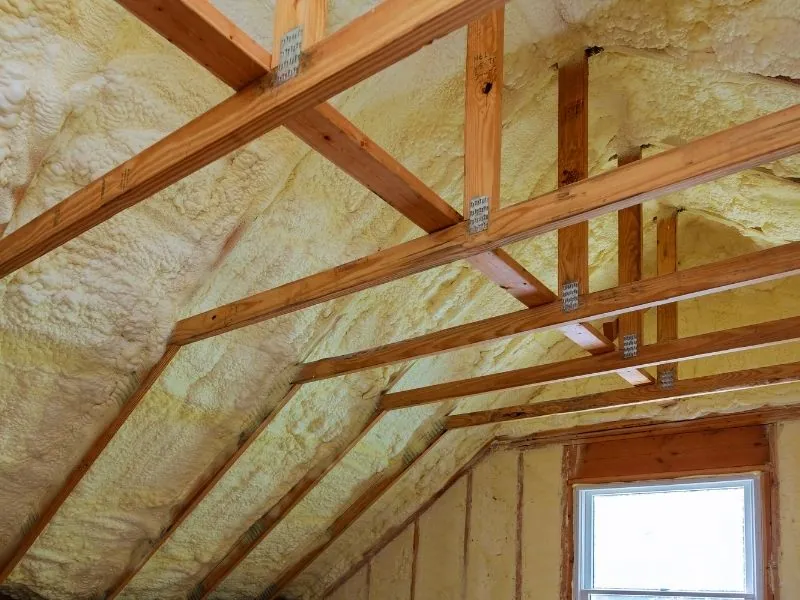
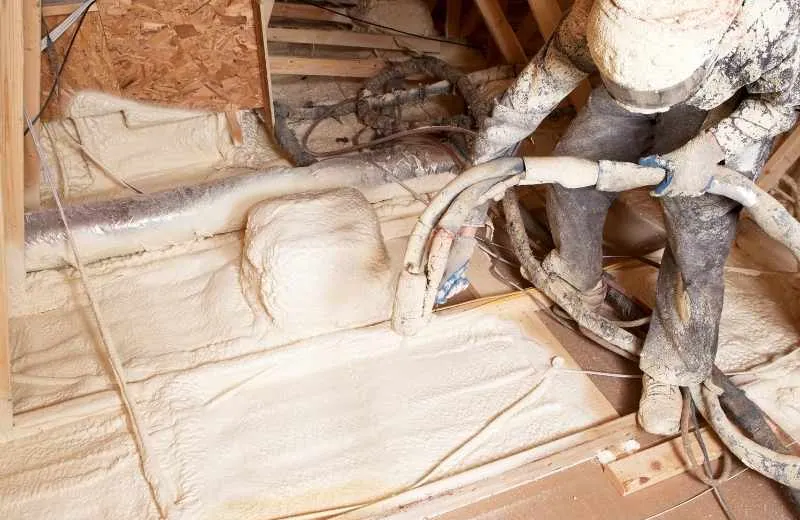
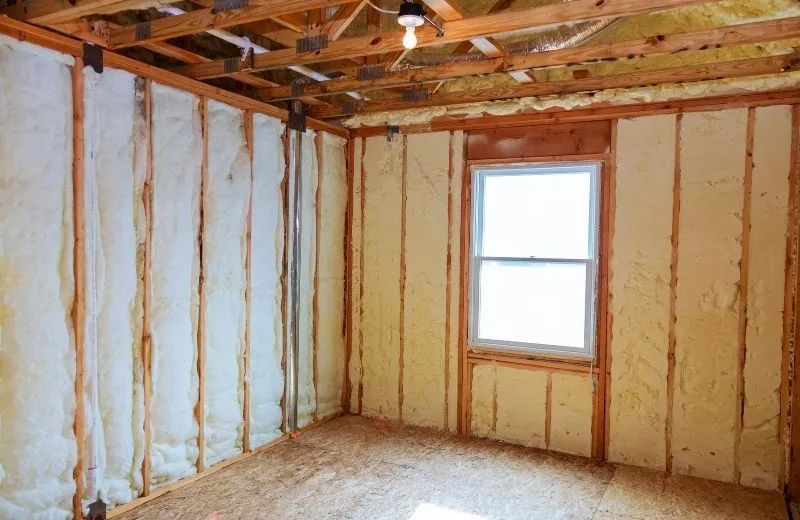
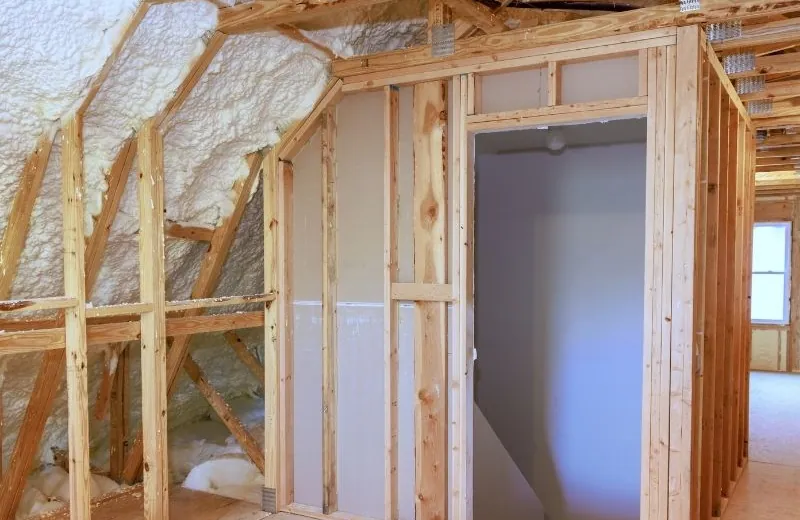
We apply open- or closed-cell spray foam to rooflines, walls, rim areas and hard-to-reach cavities. The foam insulates and air seals in one layer, and it can bring ducts inside a conditioned or semi-conditioned space.
Our approachWe assess ventilation and roof type first, then choose open-cell or closed-cell foam. The area is masked and ventilated during application, the foam is sprayed to the specified thickness and we check coverage. We plan how the attic will be ventilated or conditioned before we spray.
In Camarillo, CAIt works well for vaulted, complex rooflines in Spanish Hills and Woodcreek, where blown-in insulation can't reach. It also keeps ducts out of the attic heat during Santa Ana spikes and reduces dust from nearby fields getting into the house.
Best for: Two-story homes with hot upstairs rooms, bonus rooms over garages, cathedral ceilings, or owners going all-electric who want the tightest possible envelope.
Blown-In Insulation
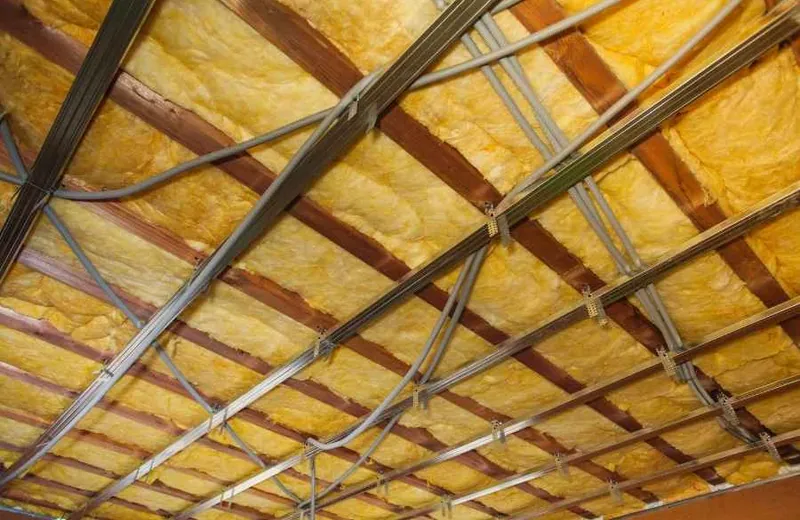
We install loose-fill fiberglass or cellulose with a blowing machine. It fills irregular spaces, covers around wiring and pipes, and adds depth over existing insulation quickly with very little disruption.
Our approachAfter air sealing and installing baffles, we run the hose from the truck to the attic. That keeps the mess out of your living space. We blow insulation to the target depth, check coverage with rulers and leave clear access paths to equipment.
In Camarillo, CAIt's ideal for the low-slope attics in Mission Oaks and Leisure Village, where crawling space is tight and batts are hard to place. It's often the most budget-friendly way to take a tract home from R-11 to R-38.
Best for: Topping up existing clean insulation, open attic floors with consistent joist spacing, and homeowners who want strong results for a moderate cost.
Crawl Space Insulation
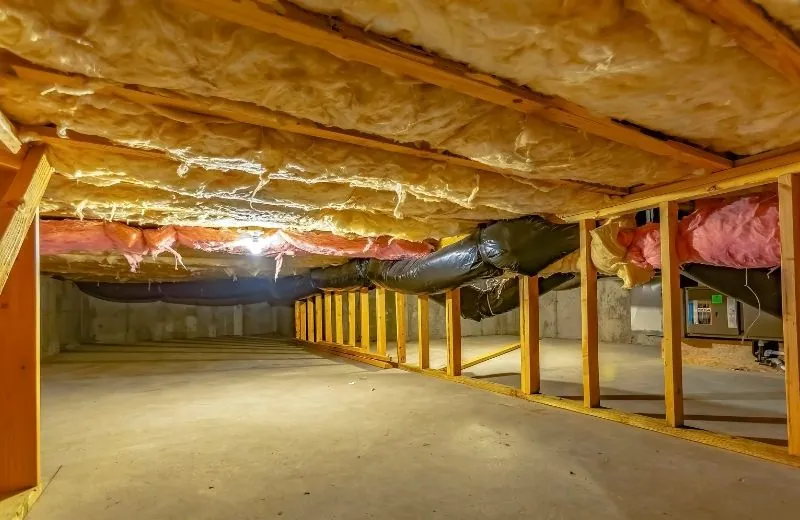
For the minority of Camarillo homes built over a crawl space, we insulate the floor above or the crawl space walls. We also seal gaps and help control moisture so the floors stay warmer.
Our approachWe inspect for moisture, pests and debris, then install fitted batts with supports or rigid board, or spray foam at rim joists. Where needed, we lay a vapor barrier over exposed soil.
In Camarillo, CAMost useful in older Old Town cottages, some early ranch homes and rural properties in Somis and Santa Rosa Valley. Cold floors are common there on 40-degree winter nights, and rodents from the fields find easy shelter underneath.
Best for: Homes with raised foundations, cold floors in winter, musty underfloor odors or signs of rodents nesting below the house.
Insulation Removal
We safely remove contaminated, damaged or obsolete insulation, including material soiled by rodents or wildfire smoke and ash. Then we clean the attic so it's ready for a fresh start.
Our approachWe set up containment and protect the walkway, then remove the old material with a commercial HEPA-filtered vacuum system that bags waste outdoors. Next comes debris cleanup, sanitizing and deodorizing. If vermiculite or asbestos is suspected, we stop and arrange testing first.
In Camarillo, CAThis is critical for Mountain Fire-affected homes in Camarillo Heights and Mission Oaks, and for roof-rat infestations near groves and creek corridors. We photograph conditions before and after so you have documentation for insurance claims.
Best for: Attics with droppings, urine odor, smoke or ash residue, water damage or heavily compressed insulation that can't be topped up.
Insulation Replacement
Full removal and reinstallation in one coordinated project. We take out the old insulation, fix air leaks and entry points, and install new insulation to current recommended levels.
Our approachFirst removal and cleaning, then sealing of rodent entry points and ceiling penetrations. Where needed, we upgrade to ember-resistant vents and coordinate any duct work. New blown-in, batt or spray foam goes in last, and we finish with a final walkthrough.
In Camarillo, CAIt's the go-to fix after wildfire contamination or a serious rodent problem, and for aging tracts where the old insulation isn't worth saving. We factor in Chapter 7A vent rules in the foothill fire zones.
Best for: Homeowners recovering from fire or pest damage, preparing a home for sale, or doing a whole-house efficiency upgrade before going all-electric.
Insulation Installation
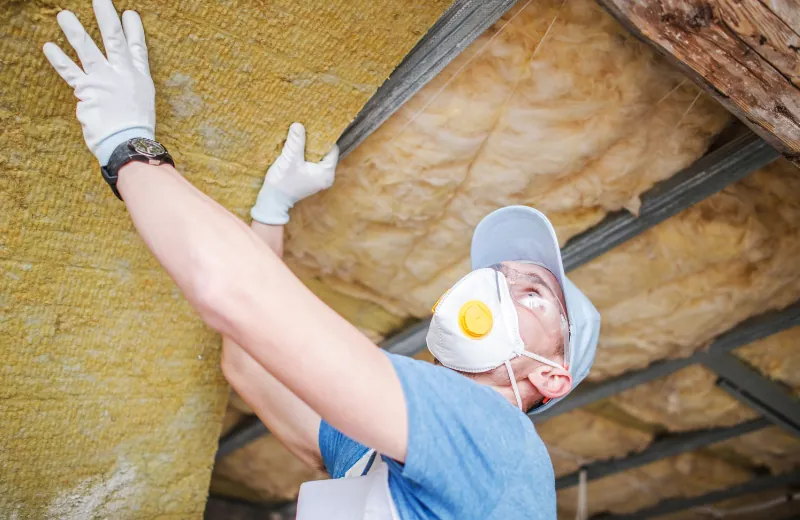
We install new insulation in attics, walls, garages and additions, matched to the space, the code and your budget. Options include fiberglass batts, blown-in insulation and spray foam.
Our approachWe confirm R-value targets under Title 24, choose materials for each area and install with proper fit and no compression or gaps. We also work with your remodel or re-roof schedule when insulation is part of a bigger project.
In Camarillo, CACommon during re-roofs, garage conversions and additions in Camarillo, where energy code minimums apply. It also helps after an HVAC changeout that needs a tighter envelope to perform as designed.
Best for: Remodels, additions, garage conversions, re-roofing projects and newer homes like those near Village at the Park that need targeted improvements.
How Our Insulation Process Works
From the first call to the final walkthrough, you'll know what's happening, when it's happening and what it costs. Here's how a typical Camarillo insulation project goes.
Free Consultation and Attic Inspection
- Discuss comfort issues, bills and your goals
- Inspect the attic, crawl space and ducts with photos
- Measure existing insulation depth and condition
- Look for rodent activity, smoke residue and suspect materials
Local note: In pre-1980 homes, we flag possible vermiculite or asbestos. In foothill fire zones, we check whether the vents are ember-resistant.
Clear Written Estimate and Plan
- Itemized scope with materials and target R-values
- Options at different budget levels, explained plainly
- Notes on permits, HERS verification and possible rebates
- Financing options if you'd like them
Local note: We tell you whether your project falls under City of Camarillo or Ventura County jurisdiction, and whether HOA access rules apply.
Scheduling and Preparation
- Lock in a firm start date and arrival window
- Coordinate HOA access or work-hour limits
- Arrange testing or HVAC partners if needed
- Explain what to move and how to prepare
Local note: In Leisure Village, Mission Oaks and Spanish Hills, we plan around community rules for contractor access and noise.
Installation Day
- Protect floors, furniture and walkways
- Remove old insulation with HEPA containment if needed
- Air seal, install baffles and upgrade vents where needed
- Install new insulation to the verified depth
Local note: On Santa Ana heat days, we start early to keep the crew safe in hot attics under tile roofs.
Final Walkthrough and Documentation
- Walk the finished attic with you, or review photos
- Confirm R-value and depth markers
- Complete a full site cleanup
- Provide paperwork for rebates, insurance or resale
Local note: Fire-damage clients get before-and-after photos to help with insurance claims.
Why Camarillo Homeowners Choose Camarillo Insulation Masters
We Know Camarillo Attics, Tract by Tract
Insulating a low-slope Mission Oaks attic is a very different job from insulating a vaulted Spanish Hills roofline or a 1960s Las Posas Estates ranch. We plan every project around how your neighborhood was built, which materials were likely used and the problems that tend to show up there. That might be roof rats near the groves, smoke residue in Camarillo Heights or crushed ducts over a garage. Local knowledge means fewer surprises, better recommendations and money spent where it actually improves comfort, not on upgrades your home doesn't need.
Bonded and Insured for Your Protection
You're letting a crew into your home and your attic, so you deserve protection if something goes wrong. Camarillo Insulation Masters is bonded and insured. Your property and your investment are covered while we work. That matters even more in older homes with fragile ceilings, aging wiring and tight access, where care and accountability count. Ask us for proof of coverage anytime. We're happy to provide it before work starts, and we think every homeowner should ask any contractor for it.
Specialists in Insulation, Not Generalists
Insulation is all we do: installation, spray foam, attic and blown-in insulation, crawl spaces, removal and replacement. That focus means we know how air sealing, ventilation, R-value and duct placement work together, and why insulation alone sometimes isn't enough. We know when baffles are needed to keep soffit vents open, when spray foam beats blown-in and when the old material has to come out. You get a complete solution, not a quick top-off that hides the real problem.
Clear Estimates With No Guesswork
Before any work starts, you get a written, itemized estimate. It lists materials, target R-values, square footage and any removal or sealing work. If we offer options, we explain the tradeoffs in plain language so you can choose what fits your budget. We also flag possible rebates through 3C-REN or utility programs and note any permit or HERS requirements upfront. No pressure, no vague line items and no surprise charges on the final invoice.
Clean Job Sites and Respect for Your Home
Many of our clients are long-time homeowners and retirees who want the work done without dust spread through the house. We cover walkways, keep blowing and vacuum equipment outside and run hoses straight to the attic. Contaminated material goes into sealed bags. We clean up fully before we leave and walk you through the finished work. For homes dealing with rodent or smoke contamination, our containment steps help keep debris out of your living space.
On-Time Scheduling and Steady Communication
We show up when we say we will, and we keep you updated from the first consultation to the final walkthrough. You'll know your start date, arrival window and expected finish. If something unexpected turns up, like suspected vermiculite or a disconnected duct, we stop and explain your options before going further. That kind of communication matters to busy professional and military families and to anyone who's tired of contractors who disappear.
Flexible Financing for Bigger Projects
Full removal and replacement, spray foam encapsulation or fire-damage recovery can be bigger investments than a simple top-off. Financing is available, so you can take care of the problem now instead of putting up with another summer of high SCE bills or a smoky attic. We'll walk you through the options alongside your estimate, and we can note rebates or tax credits that may lower your net cost.
Trusted by Camarillo Homeowners
Camarillo homeowners hire us for straightforward estimates, crews that show up on time and job sites left cleaner than we found them. That reputation matters in a community where neighbors talk and people read reviews before they let anyone into their home.
Bonded • Insured • Financing Available
Insulation Services Across Camarillo and Nearby Communities
We're based in Camarillo and work throughout the city's neighborhoods, from Old Town to the foothills, plus nearby communities within about 20 miles. Each area has its own building patterns, and we plan every project around them.
North Camarillo and the Foothills
Central and South Camarillo
Surrounding Communities
We serve Camarillo and communities within roughly a 20-mile radius. If you're not sure your address is covered, call us or reach out through our contact page. Not sure if we cover your area? Call (805) 410-9325.
How Much Does Insulation Cost in Camarillo?
Insulation costs in Camarillo depend mostly on your attic's size and condition, and on whether the old material has to come out first. The ranges below reflect typical local projects. Your free written estimate will give you exact numbers for your home.
Removal and Contamination Primary Factor
Whether the old insulation can stay is the biggest cost driver. Clean, dry insulation can usually be topped up. Insulation soiled by rodents or Mountain Fire smoke and ash has to be vacuumed out, bagged and hauled away, and the attic sanitized and deodorized. That typically adds $1.50–$3.00 per square foot before any new insulation goes in. If vermiculite or asbestos is suspected, testing and licensed abatement are separate costs.
Attic Size and Target R-Value Primary Factor
A 1,200-square-foot Leisure Village attic and a 2,800-square-foot Spanish Hills attic are very different jobs. Cost scales with square footage and with how much depth you're adding. Going from about R-11 to R-38 takes much more material than topping up from R-19. Most Camarillo homes aim for R-38 at the attic floor, in line with typical recommendations for Climate Zone 6.
Insulation Type Major Factor
Blown-in fiberglass or cellulose is usually the most cost-effective choice, often around $1.50–$3.00 per square foot installed in local attics. Batts cost about the same in open, standard-spaced bays. Spray foam costs more, typically $2.50–$7.00 per square foot depending on open- or closed-cell foam and thickness. In return, it air seals in the same step and can bring ducts out of the attic heat.
Access and Attic Complexity Moderate Factor
Low-slope roofs in Mission Oaks, tight eaves and complex vaulted sections in two-story homes take more labor and time. Small hatches, attics full of ductwork and areas over garages that you can only reach by crawling all add hours. Tile roofs make some outside-access solutions impractical too. We price access honestly upfront instead of adding charges after the job starts.
Air Sealing, Vents and Related Upgrades Moderate Factor
Air sealing top plates and penetrations, installing baffles, insulating the hatch and upgrading to ember-resistant vents in fire zones add to the total but improve results a lot. Duct sealing or replacement handled by an HVAC partner, plus any required permits and HERS verification, are separate line items. We list each item so you can see where every dollar goes.
| Typical project | Details | Estimated range |
|---|---|---|
| Attic top-off in a 1970s Mission Oaks single-story | About 1,500 sq ft attic, existing clean but settled insulation, air sealing plus blown-in fiberglass to R-38 | $2,200 – $4,200 |
| Rodent cleanup and replacement in Las Posas Estates | About 1,800 sq ft attic, full removal with HEPA vacuum, sanitizing, entry-point sealing, new blown-in to R-38 | $5,500 – $9,500 |
| Post-fire attic recovery in Camarillo Heights | About 1,700 sq ft attic, smoke and ash removal, cleaning and deodorizing, ember-resistant vent upgrades, new insulation, insurance photo documentation | $7,500 – $15,000 |
| Spray foam roofline in a Spanish Hills two-story | About 2,000 sq ft of roof deck with vaulted sections, open-cell spray foam to bring attic ducts into a semi-conditioned space | $9,500 – $17,000 |
Financing is available on qualifying projects, so you can spread the cost of larger removal, replacement or spray foam jobs over time. Ask about options when you get your estimate. Proper attic insulation and air sealing cut peak-hour cooling demand when SCE time-of-use rates are highest, even out room temperatures and keep dust out. Rebates through 3C-REN, utility programs or federal tax credits may lower your net cost, depending on the year.
Recent insulation Projects in Camarillo, CA
Insulation FAQs for Camarillo Homeowners
How much does attic insulation cost in Camarillo?
Most Camarillo attic top-offs with blown-in insulation run about $2,200–$4,200 for a typical 1,500-square-foot single-story home. That includes basic air sealing and bringing the attic up to R-38. If the old insulation is contaminated by rodents or wildfire smoke and has to be removed, expect roughly $5,500–$15,000, depending on size and how much cleaning and vent work it needs. Spray foam rooflines in larger two-story homes often land between $9,500 and $17,000. We give free, itemized written estimates, and financing is available on qualifying projects.
Do I really need more insulation if Camarillo's weather is so mild?
Usually, yes. Camarillo's averages are mild, but the extremes drive your bills. During Santa Ana heat waves, temperatures can top 95–100°F. An attic under a tile roof gets much hotter than that and heats the ducts running through it, right when SCE peak rates are highest. On clear winter nights, temperatures drop into the 40s and heat escapes through thin insulation. Many 1960s–80s homes here still have R-11 or less. Upgrading to around R-38 with air sealing improves comfort noticeably and cuts both cooling and heating costs.
Do I need a permit for insulation work in Camarillo?
Simply adding attic insulation to an existing home often doesn't need its own permit from the City of Camarillo's Building & Safety Division. Work that touches HVAC usually does. That includes duct replacement or alteration and furnace or AC changeouts, and Title 24 often requires duct sealing plus third-party HERS verification for it. Re-roofs and additions also trigger energy-code insulation requirements. Homes in Somis, Santa Rosa Valley and some Camarillo Springs edges fall under Ventura County instead. We'll tell you what applies to your project when we give you the estimate.
How long does an insulation project take?
A standard attic top-off with air sealing usually takes one day, and you can stay home while we work. Full removal and replacement typically takes one to three days, depending on attic size, how much contamination there is and access. Low-slope Mission Oaks attics and vaulted Spanish Hills rooflines can take longer. Spray foam projects often take one to two days, plus a short curing and ventilation period before you go back into the treated area. We usually schedule within one to two weeks of approval and give you a firm start date.
My home was near the Mountain Fire but didn't burn. Should I check the attic?
Yes. Wind pushes smoke, soot and ash through attic and gable vents, so homes in Camarillo Heights, Mission Oaks, the Las Posas foothills and Somis can have contaminated insulation even without visible damage. Warning signs include a smoky odor on warm days, gray streaks on insulation near vents and worse indoor air when the HVAC runs. Contaminated insulation generally needs to be removed, the attic cleaned and deodorized and new insulation installed. We photograph conditions to help with your insurance claim and can upgrade to ember-resistant vents where fire-zone rules apply.
How can I keep rodents and dust out of my attic in the future?
Prevention comes down to sealing and keeping up with maintenance. Seal gaps at roof edges, vents and utility penetrations with rodent-proof materials. Trim tree limbs and vines so they don't touch the roof, and don't leave fruit or pet food outside, which is especially important near groves and creek corridors. Sealing top plates, can lights and the attic hatch from inside the attic keeps agricultural dust and attic air out of your living space. Have someone check your attic every couple of years and after any HVAC or solar work, since technicians often compress insulation.
When should I replace insulation instead of adding more?
Add more when the existing insulation is clean, dry and just thin or settled. Replace it when it's contaminated with droppings, urine, smoke or ash, damaged by water, or so compressed and patchy that topping up would just bury the problem. Old insulation also has to come out if you're doing major air sealing or duct work that needs a clear attic floor. If your home was built before 1980 and you see pebbly gray-brown granules, don't touch them. That may be vermiculite, and it needs testing first.
Is spray foam or blown-in insulation better for my Camarillo home?
It depends on your home. Blown-in fiberglass or cellulose is the most cost-effective choice for open attic floors, like those in many Las Posas Estates and Pleasant Valley ranch homes. Combined with air sealing, it gets you to R-38 for a moderate price. Spray foam costs more, but it insulates and air seals in one step. It works best for vaulted rooflines, rooms over garages and two-story homes in Spanish Hills or Woodcreek, where you want to get ducts out of the attic heat. We'll show you both options and the cost difference in your estimate.
Serving Camarillo, CA & Nearby
Get a Cooler, Cleaner, More Efficient Camarillo Home
Another Santa Ana heat wave and another high summer bill don't have to be part of the deal. Schedule your free attic inspection and find out exactly what your insulation needs.
- ✓Free in-home inspection with photos of your attic
- ✓Clear, itemized written estimate with no pressure
- ✓Bonded and insured crew that treats your home with care
- ✓Clean job sites with outdoor equipment and full cleanup
- ✓On-time scheduling and updates from start to finish
- ✓Financing available on qualifying projects
- ✓Documentation for insurance claims, rebates or resale
⚡ Have smoke odor after a fire or signs of rodents in the attic? Call us. We'll prioritize an inspection so contamination doesn't keep affecting your indoor air.
Bonded • Insured